

























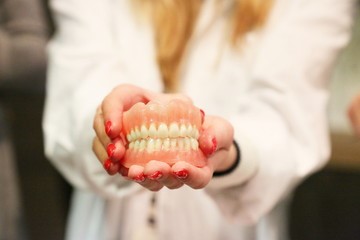
Dentures are designed to restore comfort, confidence, and function after tooth loss—but like any dental restoration, they need ongoing care. Over time, dentures can loosen, shift, or stop fitting properly as the shape of the mouth naturally changes.
While ill-fitting dentures are often associated with sore spots and irritation, research suggests there may be more serious concerns to consider. For patients who also use tobacco products and/or drink alcohol, chronic irritation from poorly fitting dentures may contribute to an increased risk of developing oral cancer.
That doesn’t mean dentures cause cancer—but maintaining a healthy fit plays an important role in protecting your oral health.
Why Denture Fit Matters More Than You Might Think
Even high-quality dentures don’t last forever. As the jawbone and gum tissue naturally change over time, dentures that once fit comfortably may begin rubbing against soft tissues inside the mouth.
This repeated friction can lead to ongoing irritation, inflammation, sore spots, and tissue changes.
Research examining denture use and oral cancer risk has found an association between chronic irritation from ill-fitting dentures and higher rates of oral cancer, especially when combined with other known risk factors. Experts believe ongoing tissue trauma may make the mouth more vulnerable to harmful cellular changes over time.
Because oral cancer often develops gradually and may not cause pain in early stages, it’s important not to ignore discomfort that seems minor or persistent.
Tobacco and Alcohol Can Increase the Risk
Tobacco and alcohol remain two of the strongest known risk factors for oral cancer.
Smoking, chewing tobacco, and heavy alcohol use expose oral tissues to substances that can damage cells and increase the likelihood of abnormal changes. When chronic irritation from poorly fitting dentures is added into the mix, the combined effects may place additional stress on already vulnerable tissues.
This doesn’t mean every person with loose dentures will develop oral cancer. But if dentures are causing repeated irritation, addressing the issue becomes even more important for patients who smoke, use tobacco products, or drink regularly.
Signs Your Dentures May Need Adjustment or Replacement
Many people assume discomfort is simply part of wearing dentures—but persistent problems shouldn’t be ignored.
Signs it may be time to have dentures evaluated include:
- Dentures that shift while speaking or eating
- Sore spots or recurring mouth irritation
- Red or inflamed tissue
- Difficulty chewing comfortably
- Changes in bite alignment
- Dentures that feel loose or unstable
- Cracks, wear, or visible damage
Regular dental visits allow your provider to monitor fit, evaluate oral tissues, and recommend adjustments, relines, or replacement when needed.
Protecting Your Long-Term Oral Health
Taking care of dentures goes beyond keeping them clean. Proper maintenance includes daily cleaning, removing dentures as instructed, attending regular dental checkups, and having restorations adjusted when they no longer fit correctly.
If you notice irritation that doesn’t heal, unusual patches, persistent soreness, or changes inside your mouth, don’t wait to have it evaluated.
Small adjustments today may help protect both your comfort and your long-term health.
About the Practice
You’re off to the races with Indy Dental Group! The team at Indy Dental Group provides restorative and preventive dental care designed to help patients maintain healthy, comfortable smiles at every stage of life. Through personalized denture solutions and ongoing care, we help patients protect oral function, improve fit, and support long-term oral health.
Call us at (317) 846–6125 or schedule your appointment online.